Intangible Heritage (St. Mamas- Agros -Kalo Chorio-Pelendri)
Presentation of Commandaria Wine / Rose Cosmetics
St.Mamas village
One our way to a divine destination we will come across a small village, built in an amphitheatric layout, located on the eastern slopes of the Troodos mountain, on the eastern foot of Zalaka mountain.
Named after a Christian martyr, this village served as a key substation for the island’s most ambitious industrial feat: the aerial railroad. This massive ropeway transported asbestos from the Troodos mines directly to the Limassol pier, known to this day as 'Enaerios.' As a vital mid-way point, Agios Mamas was essential for the operation and maintenance of the 36-kilometer line.
Lania village
Lania is a village where ancient history meets royal legend, with roots potentially stretching back to the Late Bronze Age (1600 BC). Historically positioned as a vital link on the "copper route" between the Troodos mines and the processing center of Alassa, the area is a treasure trove of antiquity; though largely unexcavated, fragments of pottery from the Cypro-Geometric era frequently emerge from its soil. Its very name, allegedly derived from Lana, the daughter of Dionysus, underscores a winemaking heritage that has defined the village for millennia.
The village’s most famous claim to fame is the legend of the Lousignian King Henry A , who reportedly turned to Lania to save the vineyards of France. When disease decimated the grapes of the Champagne region, the King is said to have sought out Lania's resilient vines, transporting cuttings back to replant the hillsides of France. Today, Lania remains a picturesque haven of flower-lined streets and traditional wine presses, inviting visitors to walk through a landscape that—according to local lore—gave the world its most celebrated sparkling wine.
An open museum
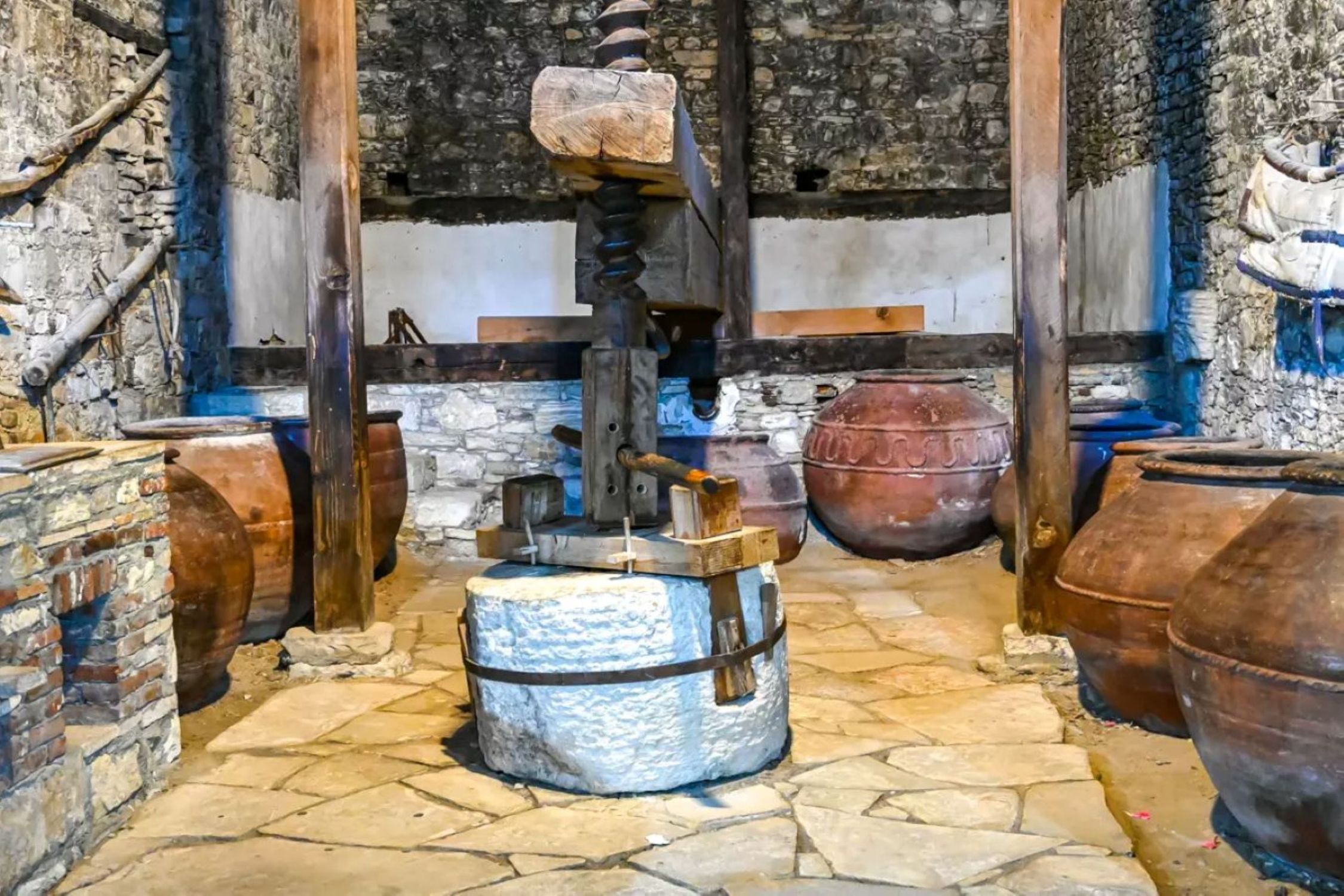
´Step back in time at the Linos of Laneia, a beautifully preserved open-air museum in the heart of Cyprus’s most picturesque wine village. Once the bustling center of local production, this historic storage museum showcases the traditional 'linos'—a massive wooden wine press—used for centuries to craft the legendary Commandaria. As you wander through the stone-walled courtyard, you'll discover the ancient techniques used to transform sun-dried grapes into the world’s oldest named dessert wine
Zoopigi village
Dive into the world of the "Wine of Kings" at the Commandaria Historical Museum in Zoopigi, a modern architectural landmark dedicated to the heritage of the world’s oldest named wine. Located in the heart of the exclusive 14-village production zone, this immersive museum chronicles the 800-year legacy of Commandaria—a Protected Designation of Origin (PDO) treasure.
Your journey begins in four chronological galleries that trace the wine's evolution from its ancient origins as "Nama" to its legendary naming by the Knights Templar in 1192. Through a curated collection of replicas, ancient wine vessels, traditional wooden presses, and original 1940s concrete reservoirs, you will witness the fusion of art, history, and everyday wine culture. The experience is housed right next to the historic Zoopigi Winery (est. 1940), allowing you to see the traditional sun-drying process before concluding your tour in the tasting hall to sample the rich, amber-hued vintages that Richard the Lionheart once called "The King of Wines."
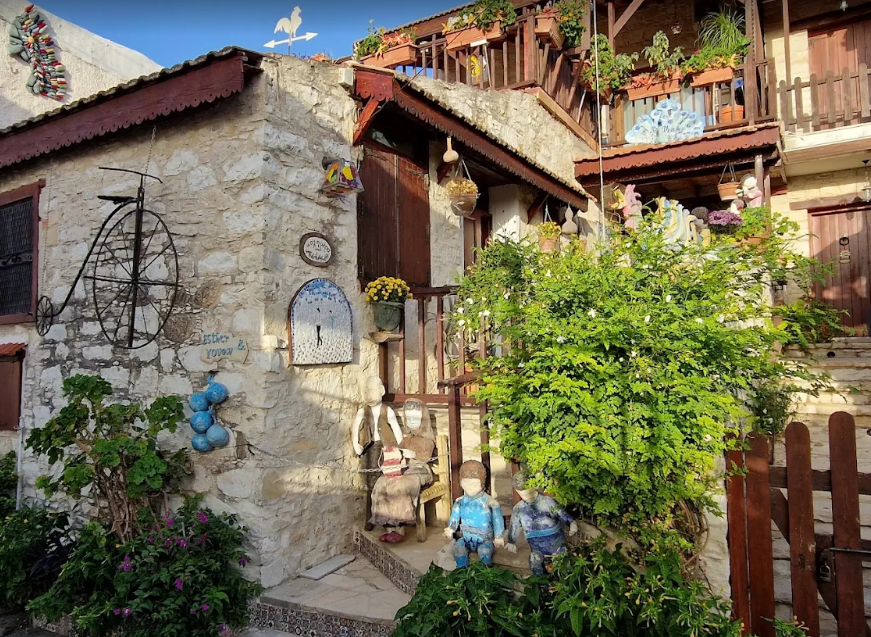
Steeped in history, Pelendri was a prominent medieval settlement and once the noble fiefdom of John de Lusignan, Prince of Antioch. Today, it stands as one of the most picturesque villages in Cyprus, renowned for its beautifully preserved traditional architecture and winding cobblestone streets.
As you explore, you'll encounter charming stone-built houses that harmonize perfectly with the scenic mountain surroundings. A true highlight is the meticulously restored mansion on the village’s southern edge, which offers visitors a rare glimpse into the region’s rich cultural heritage and noble past.
PICK UP LOCATION OPTIONS
| PICK UP/DROP OFF | LOCATION | TIME |
| LIMASSOL | HAVOUZA BUS STATION | 09.00 a.m |
We offer convenient pickup from the following locations: